Aftertaste
This upcoming project is a 2.5D action puzzle platformer where players control the tongue of an overworked chef who’s lost her sense of taste. As you journey through the chef’s body, you’ll rediscover her past passions and restore flavor to her life! Our goal is to create a sense of connection between taste, memory, and emotion by combining surreal visuals, tactile mechanics, and environmental storytelling.
Project Info
Tools: Unity 2D / 3D, Perforce, Figma
Team Size: 30+
Duration: May 2025 - present
Role: Game Designer
Prototyped one of the game’s tongue-based movement mechanics, refining control feel and physics through consistent iteration
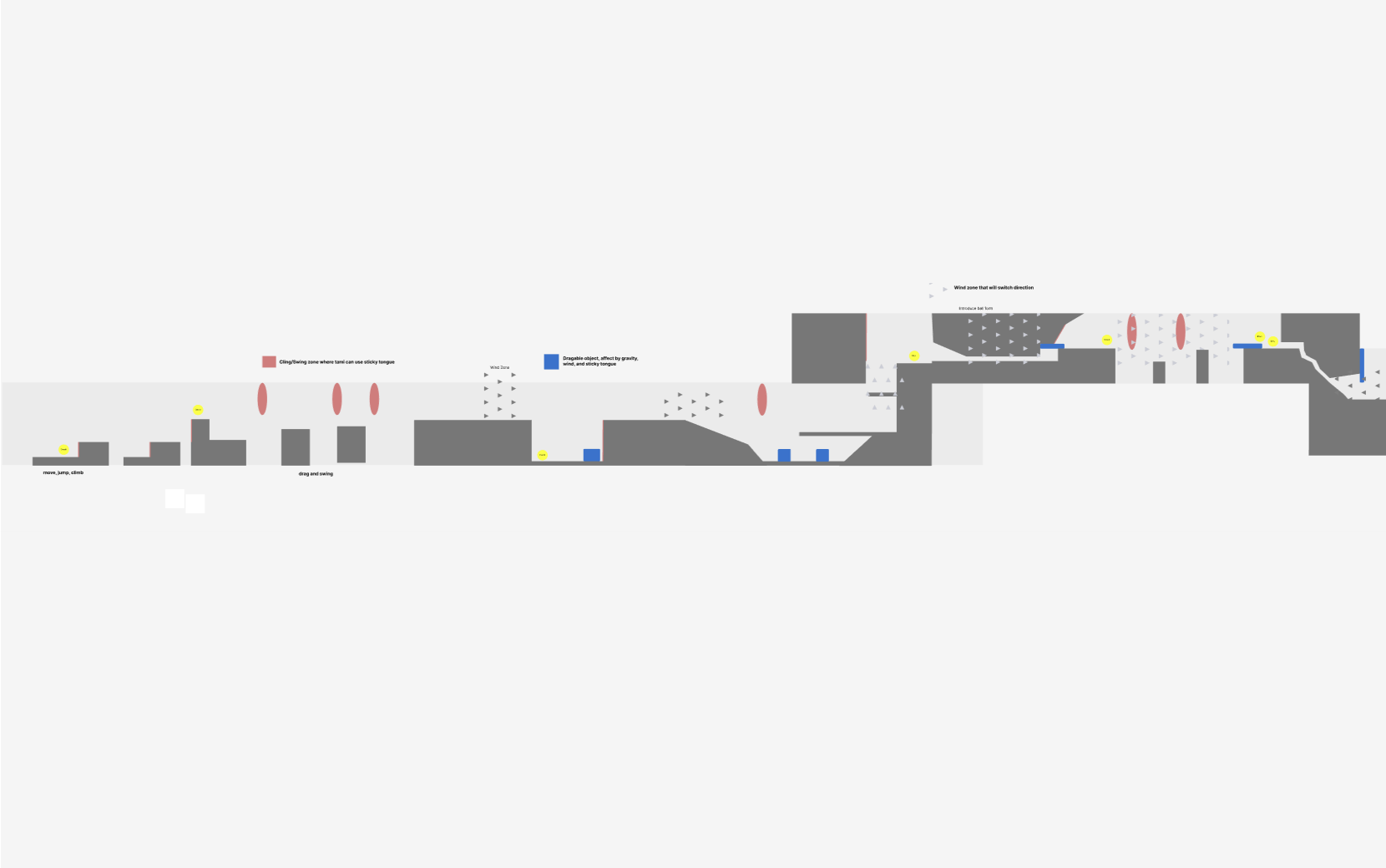
Designed 3 puzzle and platforming levels in Figma focused on flow, rhythm, and player comprehension, informed by narrative and gameplay pacing
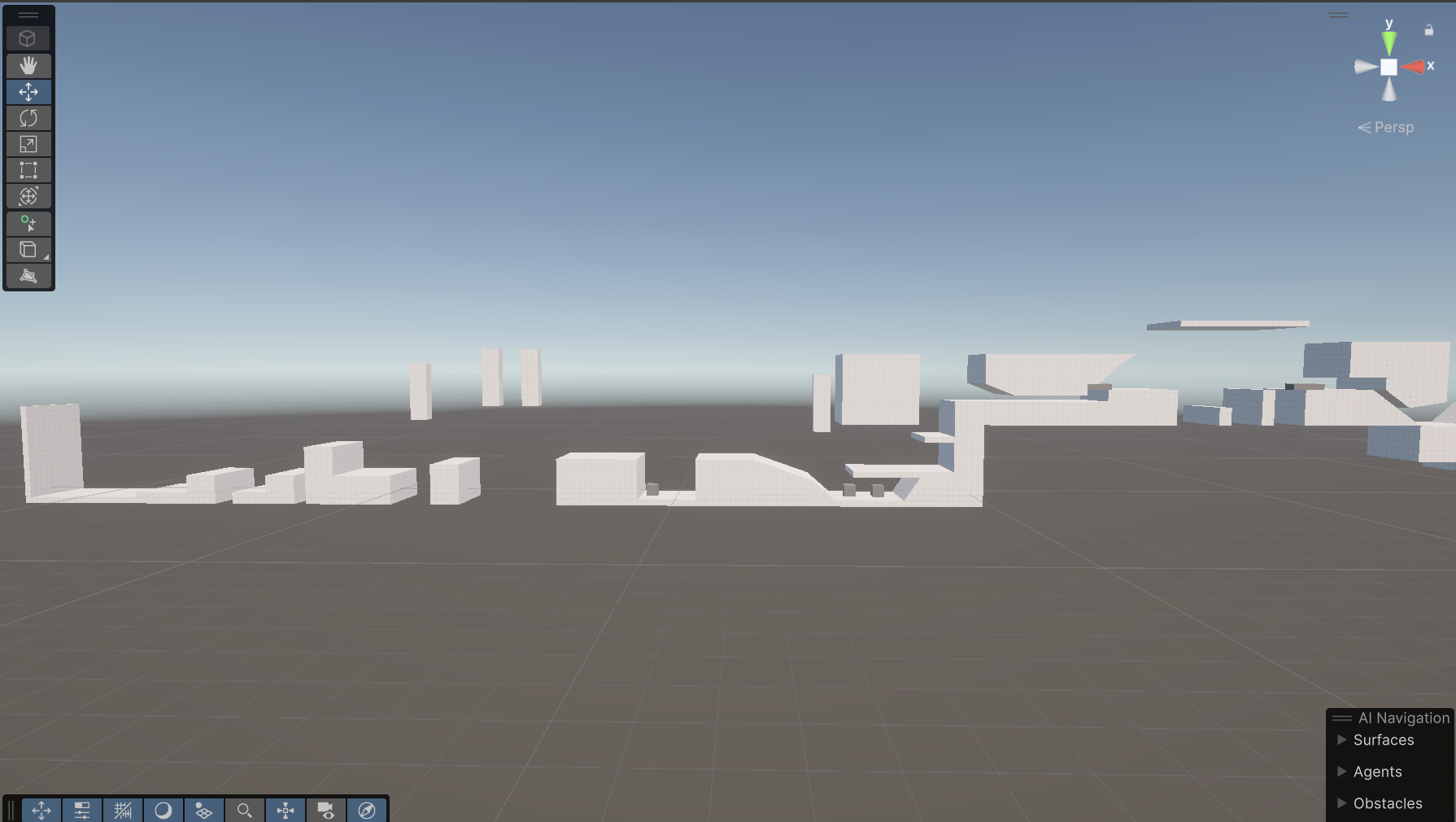
Translated paper and Figma-based layout prototypes into greyboxed levels using Unity ProBuilder
Integrated and tested gameplay features in collaboration with engineering and art teams to ensure cohesion across game visuals, narrative, and mechanics
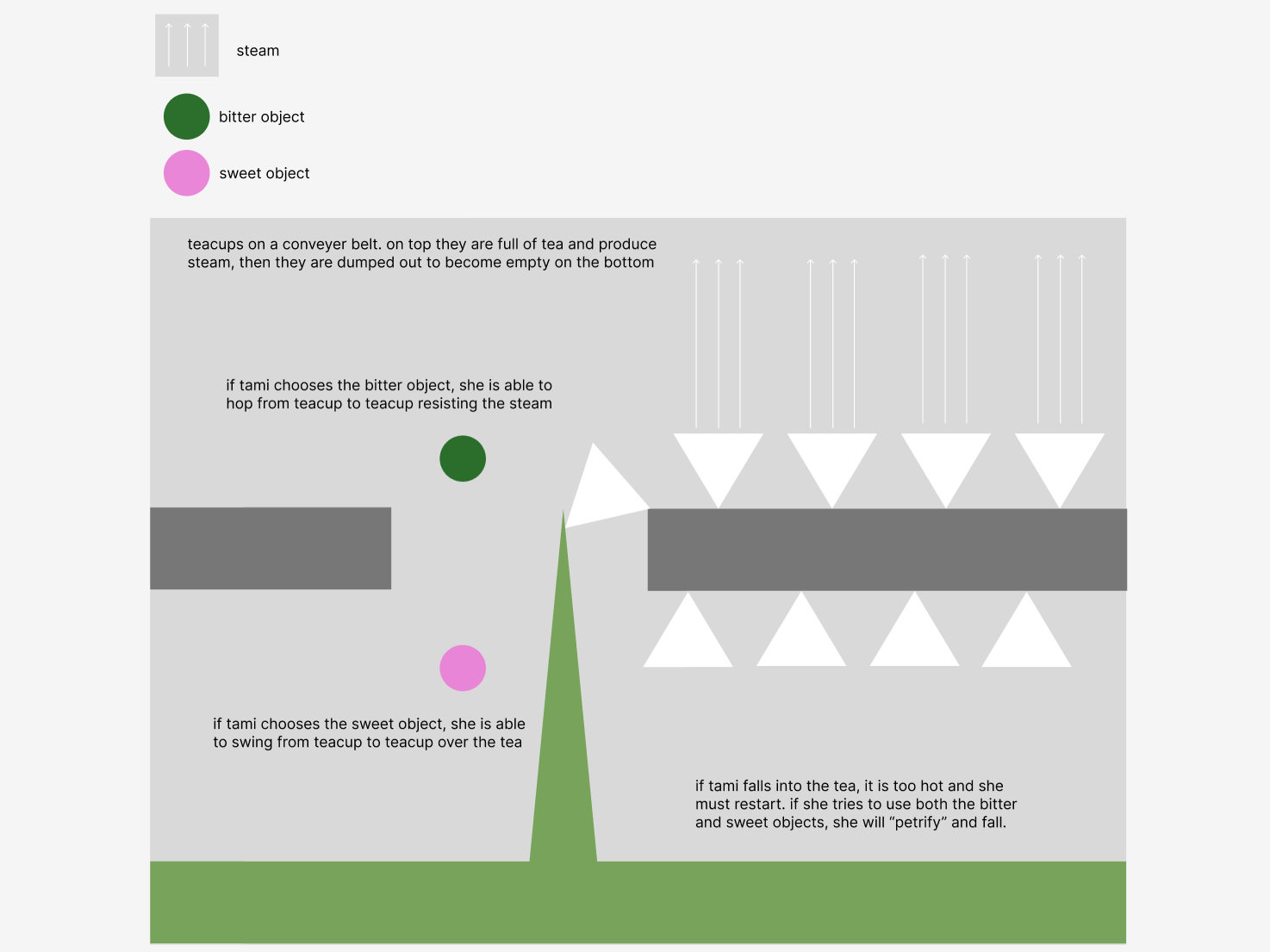
Teacup puzzle prototype iteration
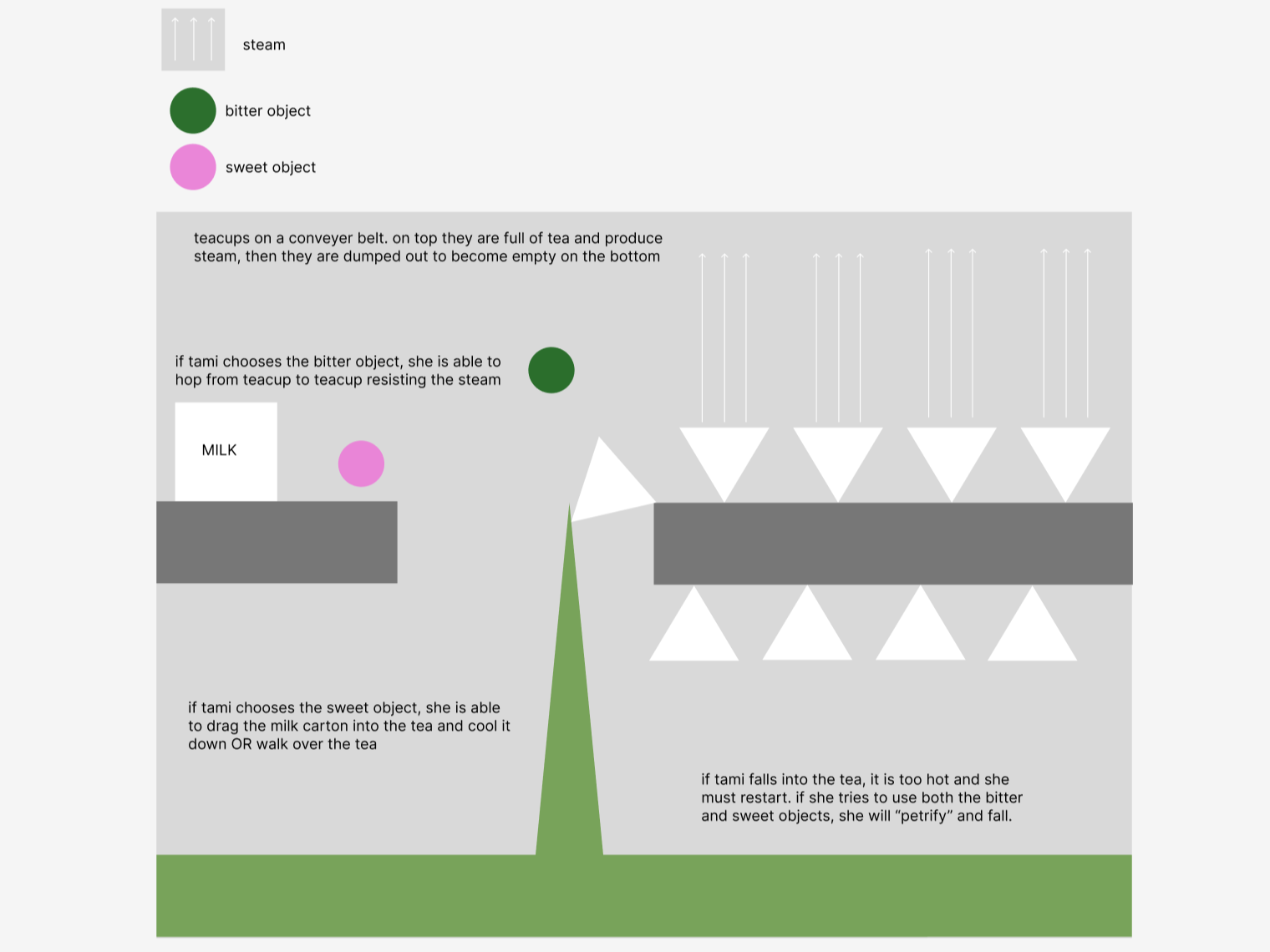
Teacup figma puzzle design iteration
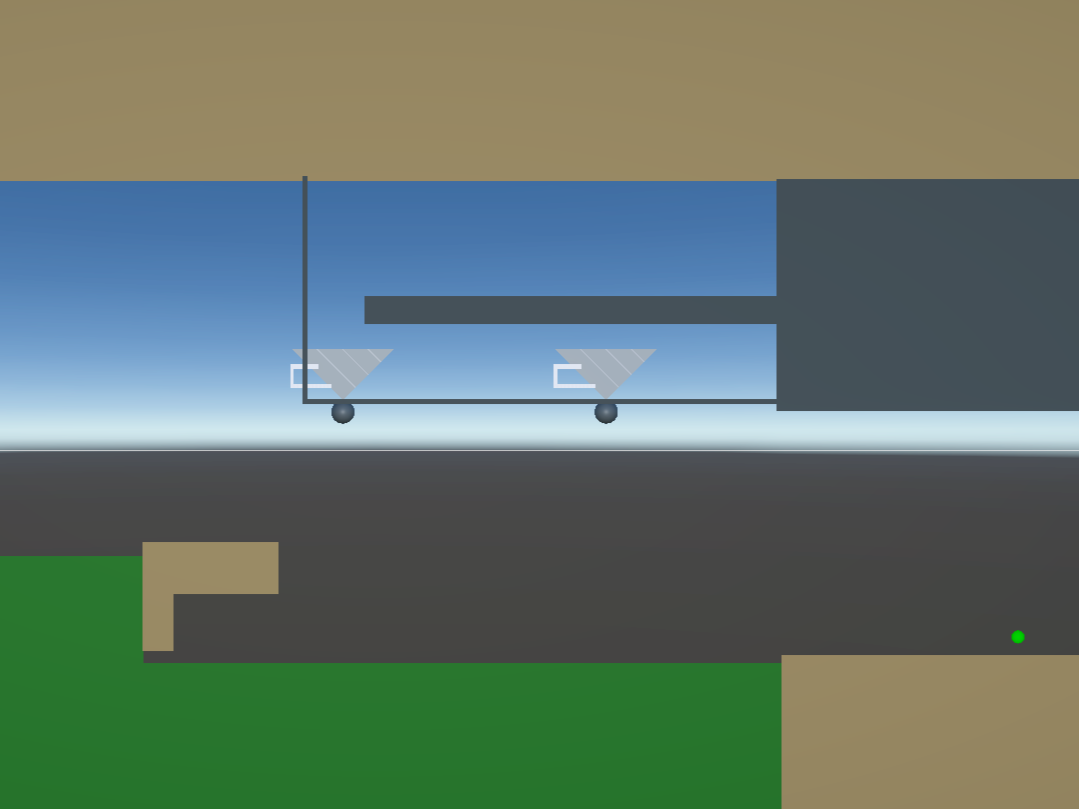
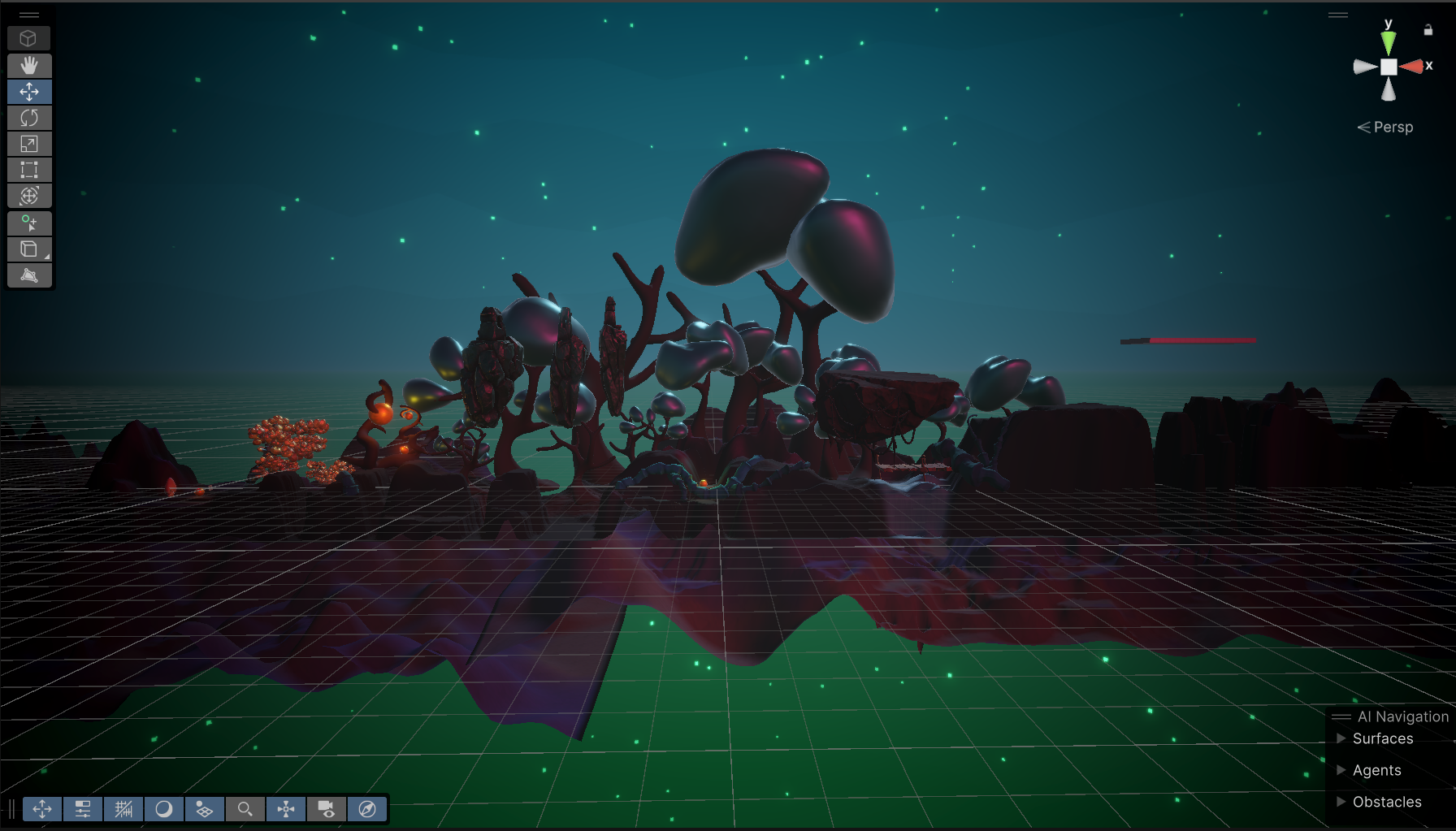
Puzzle in engine
Developmental Process
Aftertaste followed an academic-year pipeline. I designed three full levels from concept to final implementation, focusing on puzzle structure, flow, and progression. For each level, I began with digital layout sketches in Figma to map player traversal and puzzles, then greyboxed the space in Unity (ProBuilder) to test scale and readability. I originated many of the puzzle concepts used in these levels, defining the mechanics required to support them (e.g., how tongue traversal interacted with specific environmental elements), and integrated those proposals into the GDD. After playtests, I iterated on puzzle sequencing, adjusted space to improve readability, and tuned challenge progression to ensure each mechanic was introduced, reinforced, and then combined in meaningful ways.
Level Design Pipeline: I sketched level flow digitally, identified intended puzzle beats, greyboxed layouts in Unity, and iterated based on player confusion points and completion time. I prioritized clarity of progression and visual language so players could anticipate how mechanics would combine.
Iterative Design: I ran focused playtests on each level and logged where players misunderstood mechanics. Each iteration targeted a specific issue before re-testing.
Documents Used
Game Design Document (GDD): Used as the central reference for systems and puzzle structure; I added new puzzle concepts and documented the mechanics required to support them, updating sections as levels evolved through playtesting.
Early prototype