Skijoring
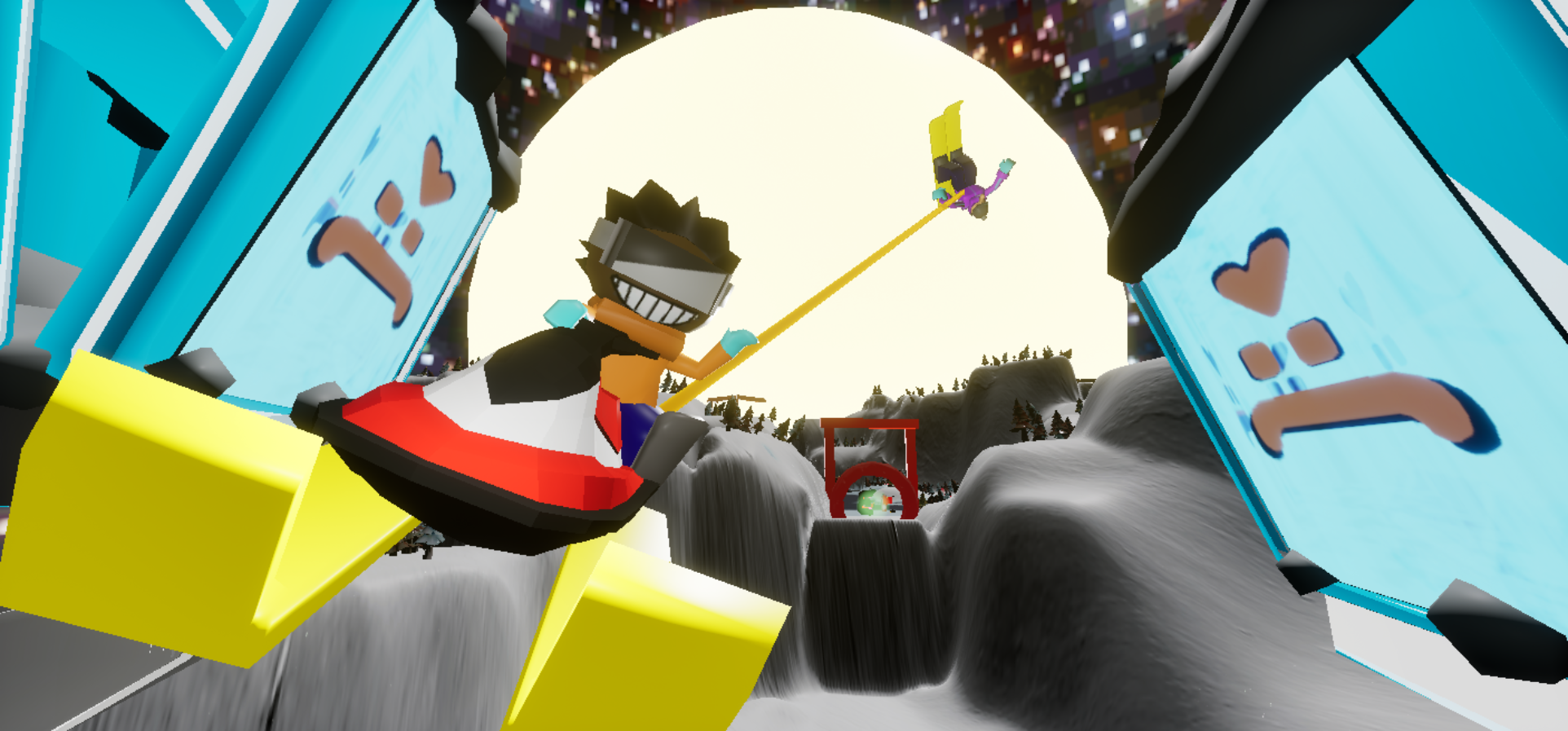
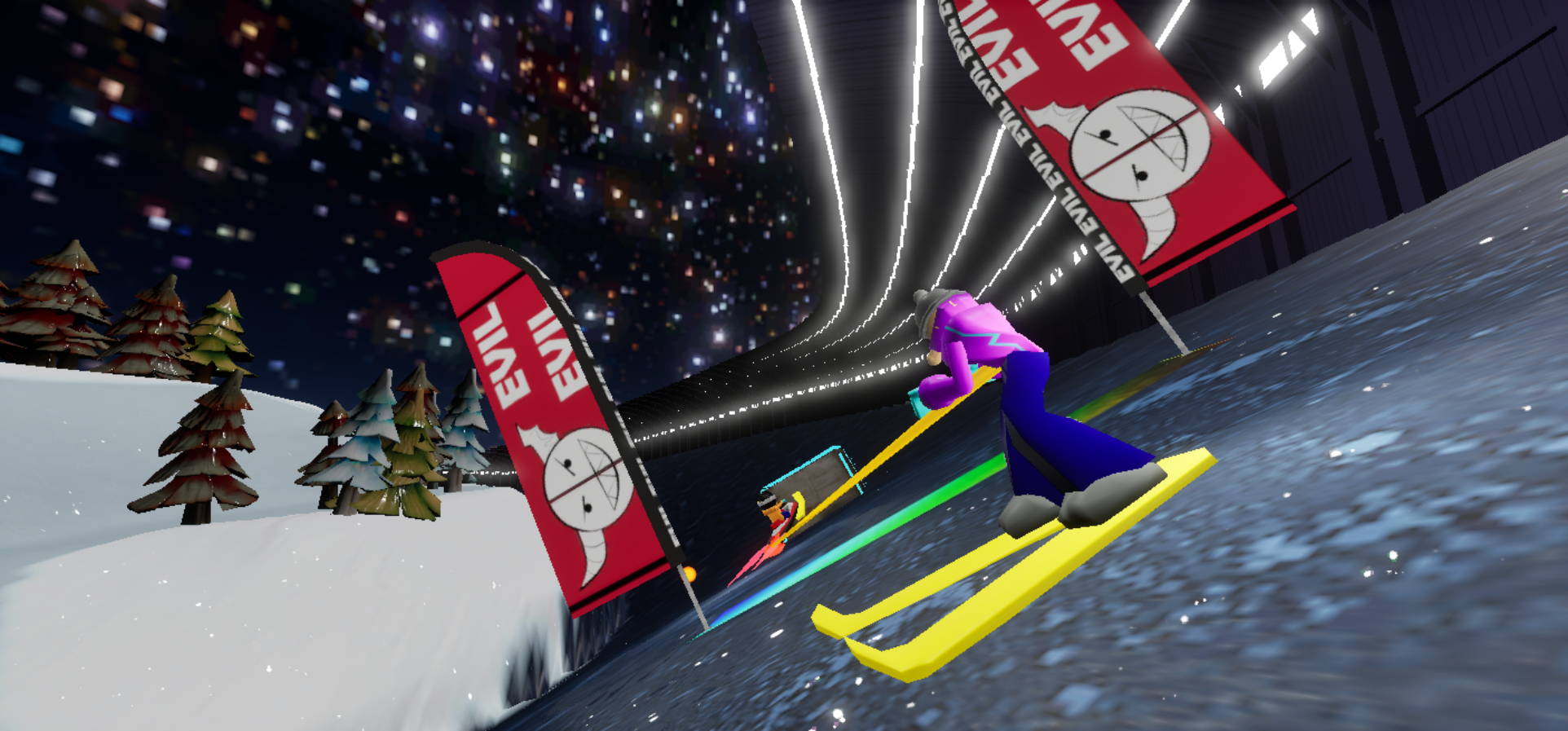
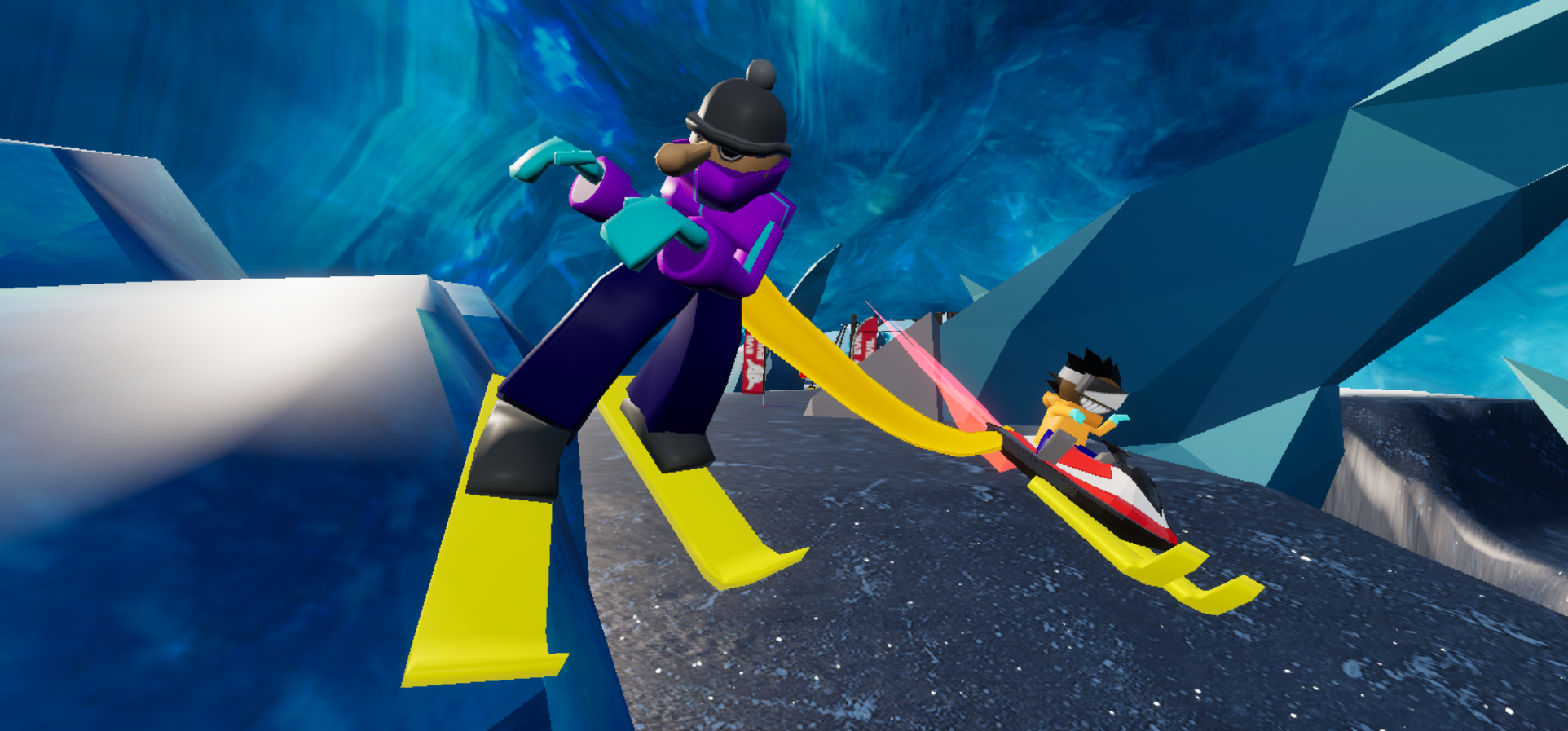
Skijoring is a fast-paced co-op arcade skiing game where players are strapped together, crash into each other, and race downhill to escape an oncoming avalanche. Inspired by stylish arcade racers like Mario Kart DS and Hydro Thunder, the game celebrates split-screen chaos, momentum-driven movement, and playful competition.
Project Info
Tools: Unreal Engine, GitHub, Figma
Team Size: 16
Duration: September 2025 - present
Role: Game Designer
Designed and built a full playable level, Skijora Borealis, from initial concept and prototype through Unreal Engine implementation
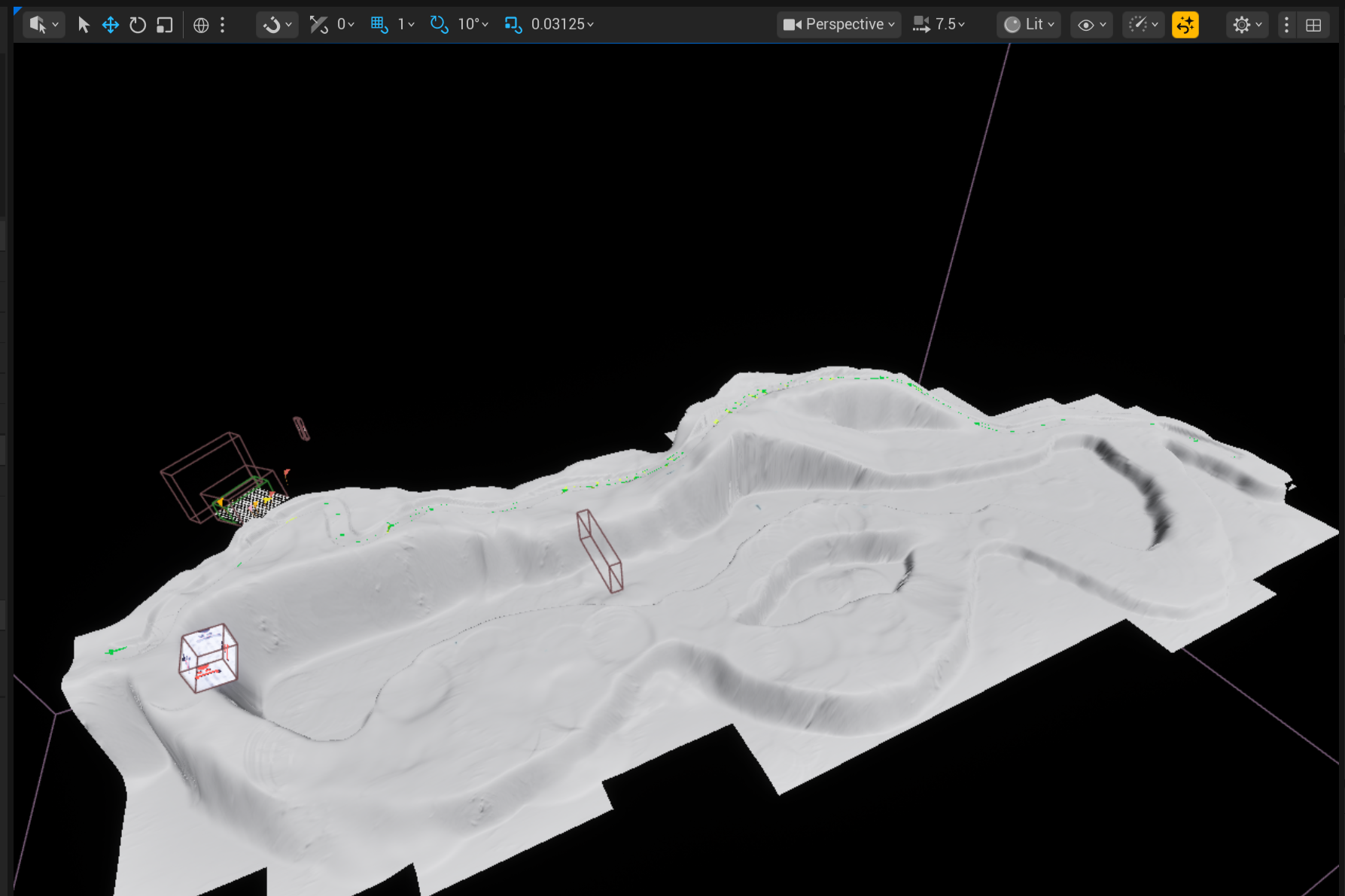
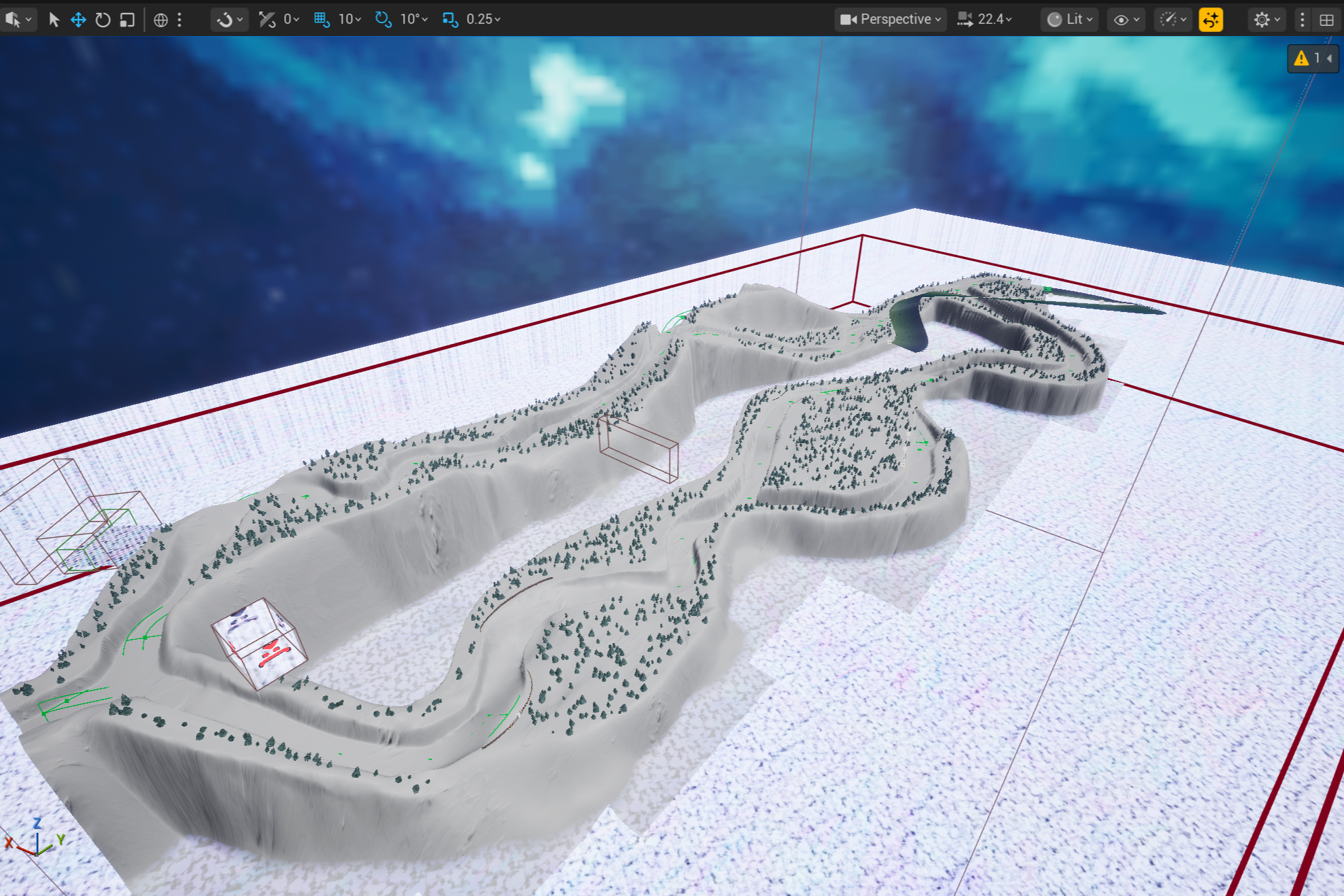
Sculpted terrain using Unreal’s Landscape tools and implemented 15+ splines and PCG components for dynamic routing
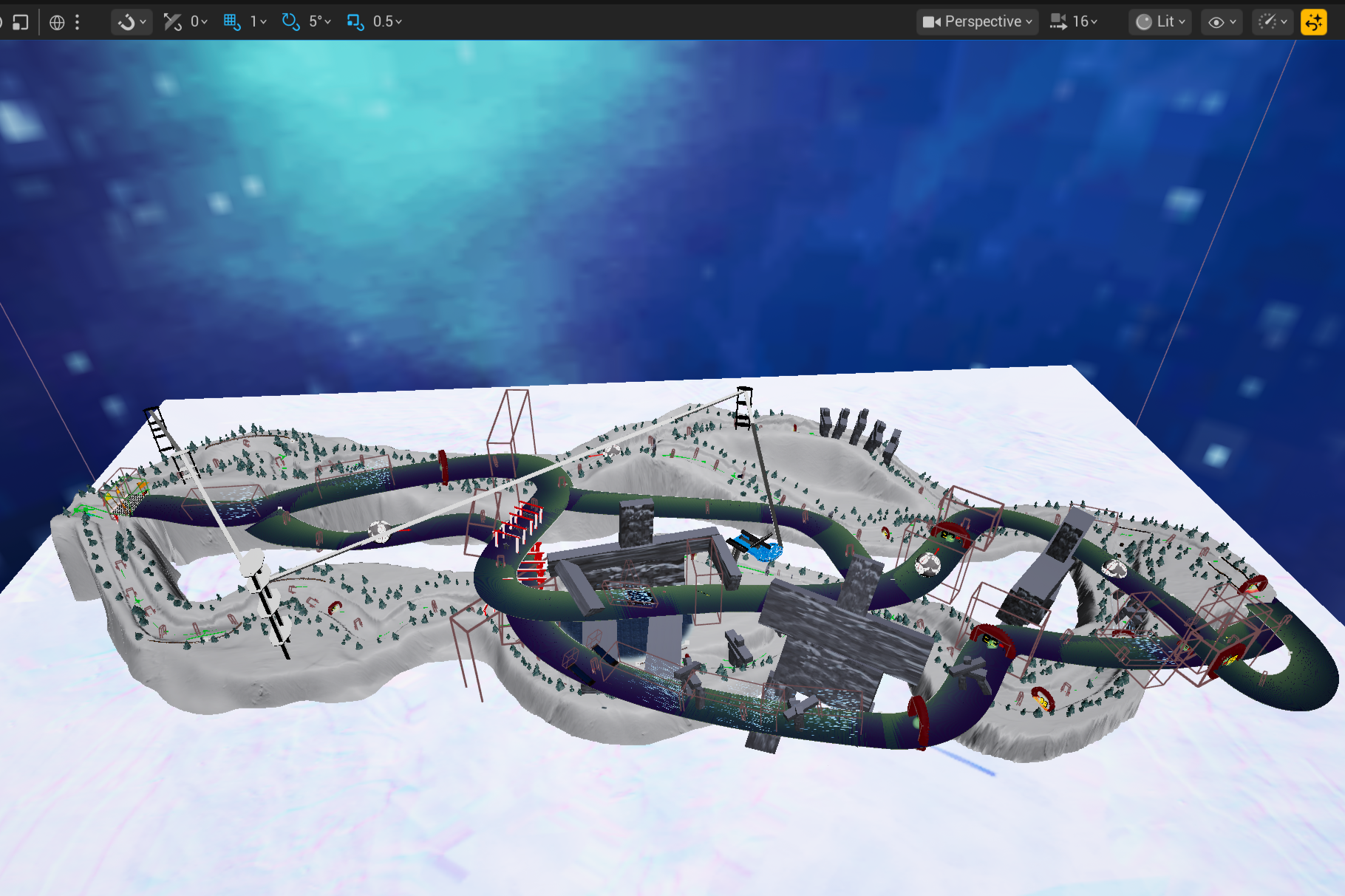
Created 4 viable race paths with strategically 50+ placed slaloms, scoring gates, and obstacles to support risk–reward decisions
Conducted playtests to refine difficulty, balancing of routes, while collaborating with 3 other designers to maintain consistency across levels
Developmental Process
Skijoring started as a summer game jam, with myself joining later in the fall. I created my own unique level using a previously established level design pipeline. I began by exploring layout ideas in Figma, which allowed for my initial experimentation with branching paths. Once the layout felt solid, I moved into Unreal Engine to block out terrain. After, I added gameplay elements like splines, foliage and PCG components as well as scoring elements. Frequent playtesting helped solves issues with uneven difficulty between routes, and collision or landscape bugs.
Iterative Level Design: I sketched digital layouts, greyboxed in Unreal, and then iterated using playtesting results. Results were used to improve terrain, routes, clarity, and overall player experience
Results
Designing Skijora Borealis was my first experience building a large level in Unreal Engine. Through this project, I developed a stronger understanding of how Unreal Engine specific terrain works. I was also pushed to think critically about readability, player choice, and fun works while going through a level at high speeds. I also continued to strengthen my ability to collaborate with a large multidisciplinary team. I left the project way more confident in Unreal and better equipped to design levels in the engine.
Documents Used
Level Prototype (Figma): Used to plan layout, branching paths, and pacing before engine implementation. I created initial prototypes and iterated them after each test.
Level Design Pipeline Doc: : Referenced to guide new level creation and maintain consistency in structure, difficulty, and readability across all levels. I used a checklist from the doc to validate each route had a clear read, risk/reward element.
Skijora Borealis gameplay